
Transforming planning with PlanX and new funding to help local planning authorities reap the rewards
Dozens of local planning authorities (LPAs) are now publishing their planning data openly and modernising their planning services – but what does that actually mean in practice?
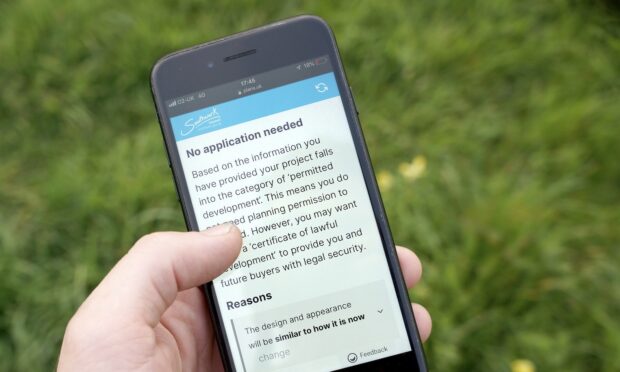
Some LPAs are using the data to transform the experience for applicants who can submit planning applications through modern, data-driven software like PlanX, codesigned with LPAs. When applications are submitted correctly the first time, everyone wins.
Others are focusing on improvements to their back-office systems, making efficiency gains behind the scenes, which also benefits citizens. And many are doing both.
The results are clear. PlanX draws on open planning data to automatically handle routine enquiries and reduce invalid submissions, significantly cutting down the volume of calls planning departments used to receive. Meanwhile improvements to back-office systems help to smooth out and speed up the processing of planning applications. Together, these changes free up planning teams to focus on the work that genuinely needs their skills and expertise – processing major applications, supporting housing delivery and the government's mission to build 1.5 million new homes.
How PlanX is changing the planning process
One of the most popular services on PlanX is ‘Find out if you need planning permission’. This allows homeowners and their agents to find out whether the development work they want to do requires planning permission or not. Finding an answer to that question could require many searches, an email or a phone call to an LPA but PlanX can accurately answer this question in a few minutes giving homeowners and agents the clarity they need quickly.
PlanX is currently being used by 16 LPAs and supports all statutory application types. Many of the LPAs have also gone further and added other discretionary services, to help manage some of the processes they are dealing with the most. LPAs have already created 56 different services among them, including ‘Apply for pre-application advice’ and ‘Report a planning breach’, which guide users through a series of questions to access a service or report a genuine planning violation. Co-created services can be made available as ‘templates’, minimising additional work for LPAs and encouraging re-use.
Jonathan McClue, Digital Planning Lead for the London Borough of Camden, said:
“Using PlanX has helped Camden introduce a number of digital self-service routes and submission services for residents, including 'Find out if you need planning permission', 'Report a planning breach', and submitting planning applications and pre-applications online.
“These tools have helped us structure information more clearly and reduce some of the administrative burden on officers. For example, the 'Find out if you need planning permission' service enabled us to retire our duty planner service while still providing residents with accessible guidance.
“Our digital pre-application service has also streamlined payment and validation, helping us process enquiries more efficiently. We continue to explore additional flows that could further improve the experience for both residents and officers.”
New funding to go further
To build on this progress, the Digital Planning programme has made funding available for 23 LPAs to adopt PlanX for a year and experience the benefits for themselves. All are members of Open Digital Planning (ODP) and have demonstrated their commitment to modernise their services, including publishing their Conservation Area, Listed Building, Article 4 and Tree Preservation Order datasets in a standardised format and making them available on the Planning Data platform.
The LPAs adopting PlanX are:
Adur District Council Bristol City Council Coventry City Council East Riding of Yorkshire Council Greater Cambridge Shared Planning (comprising Cambridge City and South Cambridgeshire District Councils) Liverpool City Council London Borough of Barking and Dagenham London Borough of Brent London Borough of Waltham Forest Maidstone Borough Council North Tyneside Council Northumberland County Council Plymouth City Council Royal Borough of Kensington and Chelsea South Gloucestershire Council South Staffordshire Council Stockport Metropolitan Borough Council Stoke-on-Trent City Council Swale Borough Council Torbay Council Waverley Borough Council Westminster City Council Worthing Borough CouncilUnlocking improvements in existing systems
Alongside this, we invited expressions of interest from LPAs in ODP looking to make targeted improvements to their back-office with £20,000, speeding up the planning application process without having to replace systems entirely.
At a recent ODP event, many told us about ‘quick wins’ which could deliver real results in 12 months. 28 LPAs were successful with some of the improvements they plan to make.
Proposals put forward by LPAs include replacing old databases with Power BI dashboards, adopting mobile modules, digitalising pre-applications, integrating spatial data into development management and making Section 106 (developer contribution) data more transparent to citizens.
The funded LPAs are:
Adur District Council Cheltenham Borough Council Cotswold District Council East Riding of Yorkshire Council Forest of Dean District Council Gloucester City Council Greater Cambridge Shared Planning (comprising of Cambridge City and South Cambridgeshire District Councils) Leicester City Council Liverpool City Council London Borough of Barking and Dagenham London Borough of Enfield London Borough of Hackney London Borough of Haringey London Borough of Hillingdon Medway Council Northumberland County Council Nottingham City Council Rossendale Borough Council Sandwell Metropolitan Borough Council South Gloucestershire Council Southampton City Council Stockport Metropolitan Borough Council Stoke-on-Trent City Council Torbay Council Waverley Borough Council West Oxfordshire District Council Winchester City Council Worthing Borough CouncilWhat happens next
All the LPAs funded have one year to deliver, and will share their learnings along the way. Those adopting PlanX must have at least one service live to the public within 12 months and will provide monitoring data so we can measure the impact.
To hear more about their journey, look out for case studies on the Open Digital Planning website and LinkedIn.
For more information about the Digital Planning programme, follow us on LinkedIn to stay connected, and subscribe to our newsletter for the latest updates.
COM_EB_SUBSCRIPTION_FORM_DESC